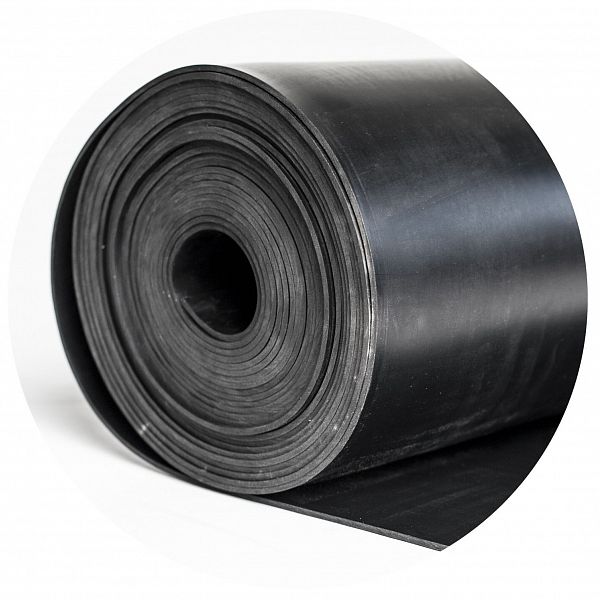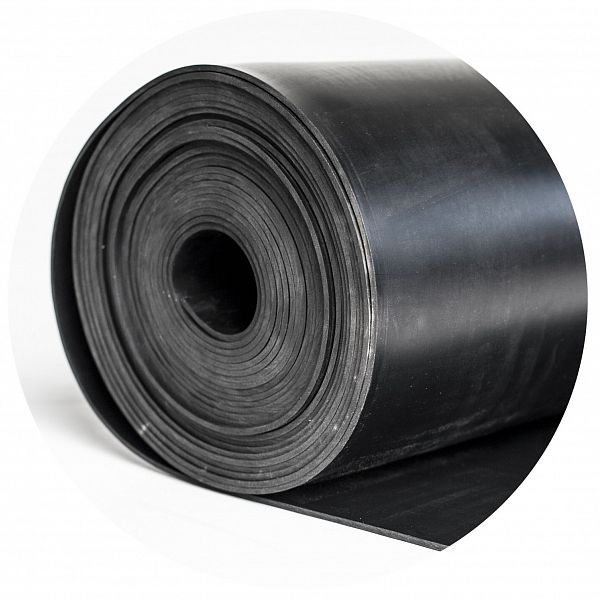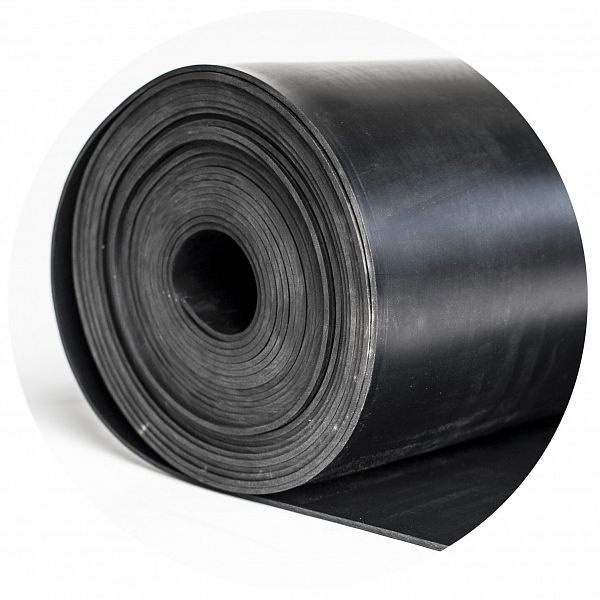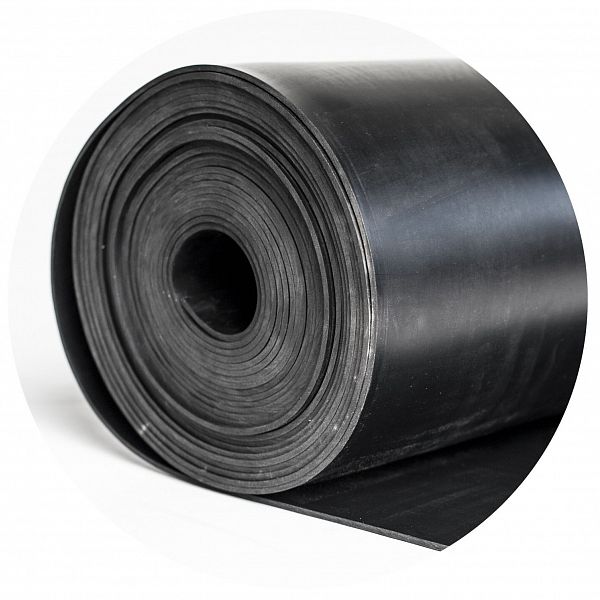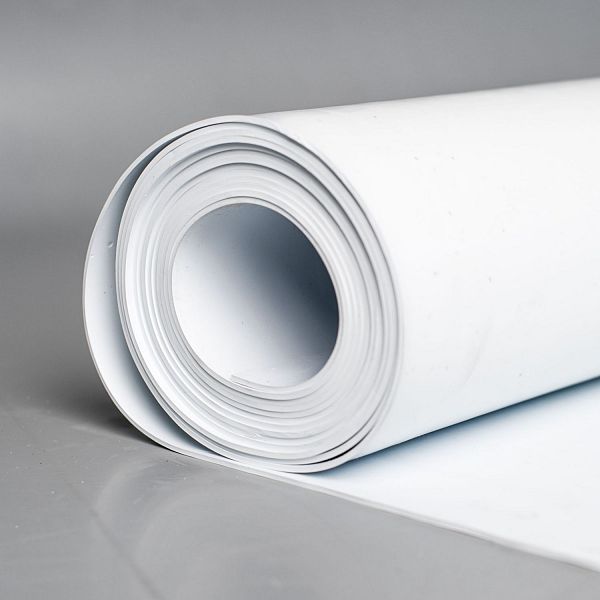
Modern industrial operations demand materials that withstand extreme conditions and protect worker health. Our rubber sheeting represents the result of precise material engineering and decades of experience in the elastomer processing segment. We offer solutions that define new standards in sealing, insulation, and surface protection.
This guide explains the key aspects of selecting the correct material for your specific technical needs. We focus on physical properties and chemical resistance which directly affect the longevity of your machinery. A high-quality rubber selection reduces maintenance costs and prevents unexpected production downtime.
Continuous Vulcanization and Manufacturing Technology
The manufacturing process determines the structural integrity and reliability of every rubber roll we deliver to your facility. We utilize advanced Rotocure technology to ensure superior material properties compared to traditional batch pressing methods. This continuous system maintains constant pressure and temperature during the entire vulcanization cycle.
Our production line integrates several key technological advantages for your industrial applications:
- Continuous vulcanized rubber sheets by rotocure technology: This process eliminates seams and ensures a smooth, infinite finish.
- Superior thickness consistency: The automated system maintains tight tolerances across the entire surface area.
- Uniform mechanical properties: Every meter of the roll exhibits identical tensile strength and elasticity.
- Industrial rubber rolls up to 1400mm: We provide wide formats to minimize joints in your large-scale installations.
This high-tech approach minimizes internal stresses within the elastomer matrix during the curing phase. It significantly enhances the lifespan of gaskets and linings in demanding mechanical environments. We document every production parameter to guarantee full traceability for your quality management systems.
The Rotocure Advantage in Rubber Production
Rotocure technology represents the pinnacle of continuous vulcanization in the modern rubber industry. This system enables the production of industrial rubber rolls without the physical defects associated with standard plate presses. We achieve a perfectly smooth surface finish that facilitates superior adhesion in bonding applications.
|
Feature
|
Rotocure System
|
Conventional Press
|
|
Product Format
|
Infinite rolls
|
Individual sheets
|
|
Thickness Tolerance
|
+/- 0.2 mm
|
+/- 0.5 mm
|
|
Surface Quality
|
Seamless / Uniform
|
Visible joints / Marks
|
|
Material Tension
|
Low internal stress
|
High residual stress
|
The absence of joints prevents localized weak points in the finished rubber sheeting. This uniformity ensures that every section of the material performs predictably under mechanical stress. Engineers trust this technology for critical seals where even a minor failure causes significant downtime.
Formats and Dimensional Precision
Precise dimensions allow for the rapid fabrication of custom gaskets and industrial linings without excessive material waste. We maintain strict control over the geometry of our industrial rubber rolls to satisfy demanding engineering tolerances. Our facility delivers a variety of formats that adapt to the specific requirements of your manufacturing equipment.
We offer several standardized and custom options to optimize your assembly processes:
- Thick rubber sheeting: These heavy-duty variants reach up to 15 mm for high-impact protection.
- Custom width up to 1400mm: Our equipment produces wide rolls to cover large surface areas efficiently.
- Suppliers of thin rubber sheeting with textile insertion: We provide thin, high-stability sheets for delicate sealing tasks.
- Optimized roll lengths: We supply continuous lengths to reduce the number of seams in your installation.
Our cutting systems ensure clean edges and accurate widths for every shipment. This precision facilitates easier handling and faster installation on your production floor. Accurate sizing directly supports your just-in-time manufacturing goals and improves overall project efficiency.
Material Silos: Specialized Compounds for Specific Environments
We categorize our elastomers into specialized silos to simplify your selection process based on environmental stressors. Each compound undergoes rigorous testing to verify its resistance to temperature, chemicals, and physical wear. This classification ensures that your chosen rubber sheeting delivers optimal performance in its intended industrial atmosphere.
The following data summarizes the core physical profiles of our most utilized polymer bases:
|
Elastomer Type
|
Base Polymer
|
Hardness (Shore A)
|
Primary Advantage
|
|
EPDM
|
Ethylene Propylene
|
65 +/- 5
|
Heat and UV resistance
|
|
NBR
|
Nitrile Butadiene
|
65 +/- 5
|
Oil and Fuel resistance
|
|
PARA
|
Natural Rubber
|
40 +/- 5
|
High abrasion resistance (pod 1.00 g/cm3)
|
|
SBR
|
Styrene Butadiene
|
65 +/- 5
|
General purpose durability
|
Proper material selection prevents premature degradation and maintains the integrity of your mechanical systems. We formulate these compounds to meet specific industrial standards for various global markets. Our technical team regularly develops custom blends to solve unique challenges in extreme operating conditions.
Heat Resistant Rubber (Silo: Heat Resistant)
Thermal stability remains a critical requirement for sealing components in high-temperature industrial environments. Our heat resistant EPDM rubber maintains its molecular structure and elasticity under constant thermal stress. This material prevents hardening and cracking which typically cause failure in standard elastomers exposed to heat.
We engineer these compounds to deliver superior performance in several demanding scenarios:
- Heat resistant epdm rubber: It withstands continuous operating temperatures up to +125°C.
- Weather and uv resistant epdm flooring for outdoor use: The material resists degradation from intense sunlight.
- Ozone resistance: Our EPDM rubber sheeting prevents atmospheric cracking in high-voltage or outdoor areas.
- Low temperature flexibility: The compound remains functional and pliable down to -40°C.
These properties ensure long-term reliability for outdoor infrastructure and engine room applications. We utilize a saturated polymer backbone to guarantee that the rubber resists oxidative aging effectively. This specialized durability extends the maintenance intervals for your critical equipment and outdoor installations.
Oil and Chemical Resistance (Silo: Oil Resistant)
Chemical compatibility determines the structural survival of seals in the presence of aggressive hydrocarbons. We provide oil resistant NBR sheets that resist swelling and volume changes when exposed to petroleum-based fluids. These nitrile compounds maintain their Shore A hardness and tensile strength even during prolonged immersion.
Our laboratory verifies the resistance levels against various industrial substances to ensure your operational safety:
|
Substance Type
|
Recommended Material
|
Resistance Rating
|
Application
|
|
Mineral Oils
|
NBR
|
Excellent
|
Engine gaskets
|
|
Fuel / Petrol
|
High-nitrile NBR
|
High
|
Fuel system seals
|
|
Marine Water
|
Neoprene
|
Excellent
|
Shipping equipment
|
|
Diluted Acids
|
EPDM
|
Good
|
Chemical processing
|
The Neoprene rubber sheeting in our portfolio offers a balanced solution for environments requiring moderate oil resistance and high weatherability. We optimize these blends to prevent the leaching of plasticizers into the surrounding medium. Selecting the correct NBR or CR grade ensures that your sealing systems remain leak-proof and functionally stable.
Natural Rubber Expertise (Silo: PARA QUALITY & Wear Resistant)
Our PARA QUALITY rubber utilizes high-purity natural rubber to achieve a level of elasticity that synthetic alternatives cannot match. This material provides an exceptional "snap-back" effect and exhibits a very low density of less than 1,00 g/cm³. We recommend these compounds for applications where high-velocity particles cause extreme abrasion to metal or rigid plastic surfaces.
We deliver several specialized variants of natural rubber to solve your most difficult wear challenges:
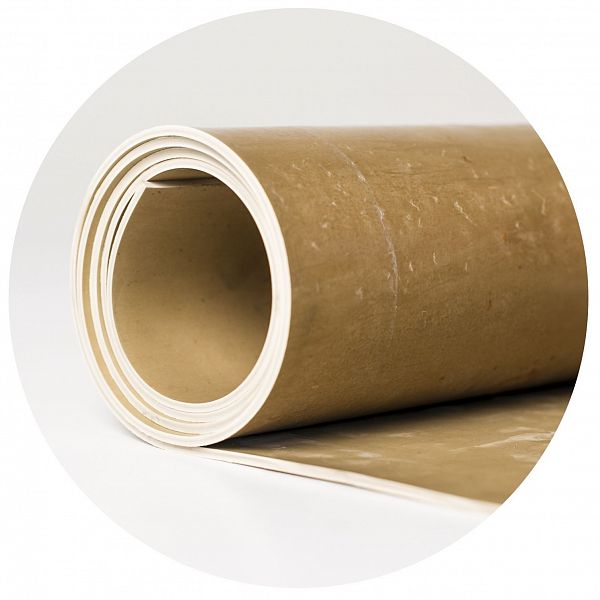
- Para quality rubber: This brown compound offers maximum elongation and superior tear resistance for flexible sleeves.
- High tensile strength natural rubber sheeting for abrasion resistance: We design this for heavy-duty chute and hopper linings.
- Floating rubber: The specific gravity allows the material to float, which aids in certain mineral processing applications.
- Vibration isolation: High internal damping properties reduce noise and mechanical fatigue in industrial machinery.
The molecular chain of our natural rubber absorbs impact energy and prevents surface gouging during operation. This self-healing characteristic ensures that your wear resistant linings last significantly longer than standard commercial grades. This expertise allows us to protect your high-value capital equipment from the destructive forces of friction and impact.
Mechanical Integrity (Silo: For Mechanical Stress)
Extreme mechanical stress requires materials that resist deformation and dimensional changes under high torque or pressure. We engineer reinforced rubber sheeting to withstand these rigorous loads without compromising the integrity of the seal. These products bridge the gap between flexible elastomers and rigid structural components in your machinery.
Our integrated reinforcements provide the following physical enhancements for your technical assemblies:
|
Reinforcement Type
|
Primary Benefit
|
Standard Thickness
|
Typical Use
|
|
Single Textile Ply
|
Prevents stretching
|
2 to 6 mm
|
Low-pressure gaskets
|
|
Double Textile Ply
|
Maximum stability
|
4 to 15 mm
|
High-pressure seals
|
|
High-Tensile SBR
|
Abrasion resistance
|
3 to 10 mm
|
Conveyor skirting
|
|
CR/NR Blends
|
Vibration damping
|
5 to 15 mm
|
Acoustic insulation
|
The addition of a fabric layer ensures that the rubber does not extrude from the flange during installation or operation. We maintain high adhesion levels between the textile and the polymer to prevent delamination under constant cycling. This mechanical stability ensures that your soundproof and pressure-resistant systems perform reliably over their entire service life.
Safety Standards and Critical Infrastructure
We prioritize the manufacturing of certified products that safeguard human life and protect high-value industrial assets. Every safety-critical component undergoes rigorous laboratory validation to ensure full compliance with international regulatory frameworks and safety protocols. We understand that in sectors like power generation and public transport, the material performance directly impacts the overall safety rating of the facility.
Our commitment to excellence ensures that our dielectric and flame retardant solutions exceed the basic market requirements. We implement strict quality control cycles to verify the consistency of our safety parameters across every production batch. This technical rigor provides engineers and safety officers with the necessary confidence to deploy our rubber sheeting in the most sensitive infrastructure projects worldwide.
Electrical Safety and Dielectric Protection
Personnel safety in high-voltage environments depends entirely on the reliable performance of dielectric rubber matting. We manufacture these specialized mats to provide a secure insulating barrier between the technician and the ground potential. Each product undergoes meticulous testing to ensure it prevents current leakage and withstands specified electrical breakdowns without compromise.
We offer a comprehensive range of electrical safety solutions tailored to modern energy requirements:
- Dielectric rubber matting (Class 0 to Class 4): These mats provide voltage-specific protection up to a working limit of 36,000 V.
- ASTM and iec certified electrical insulation mats: Our production adheres strictly to IEC 61111:2009 for global safety compliance.
- Dielectric blankets for electric vehicle battery maintenance: We supply flexible insulation for the specialized needs of the EV service sector.
- Tested reliability: Every square meter passes a high-potential test to verify its dielectric strength.
These mats feature slip-resistant surfaces to ensure stable footing during sensitive maintenance tasks in power plants or substations. We utilize high-quality polymer blends that remain flexible and do not crack under mechanical or environmental stress. This commitment to electrical safety ensures that your maintenance teams work in a protected and compliant environment.
Public Safety and Flooring (Silo: General Use)
Surface safety in high-traffic environments requires a perfect balance between durability, traction, and regulatory compliance. We manufacture specialized anti-slip rubber sheeting designed to minimize the risk of accidents in both industrial and public sectors. Our compounds resist heavy foot traffic and mechanical loads while maintaining their aesthetic and functional properties over long periods.
Our flooring solutions meet the following technical specifications for safety and performance:
|
Technical Property
|
Standard / Classification
|
Benefit
|
|
Fire Resistance
|
EN 13501-1 (Bfl-s1)
|
Low smoke and flame spread
|
|
Slip Resistance
|
S1–S8 Patterns
|
Enhanced traction in wet areas
|
|
Hardness
|
70 +/- 5 Shore A
|
High wear and tear resistance
|
|
Application
|
Public Transport / Factories
|
Maximum user safety
|
We focus specifically on flame retardant rubber flooring for public transport to ensure compliance with stringent European safety laws. These products do not release toxic fumes during thermal stress, which is critical for underground stations and vehicle interiors. By choosing our certified flooring, you secure your infrastructure against the dual threats of fire and physical instability.
Sustainable Manufacturing and the Circular Economy
We integrate environmental responsibility into every stage of our industrial engineering process to minimize our ecological footprint. Our facility operates on a model that prioritizes the efficient use of raw materials and the reduction of industrial emissions. We understand that sustainable manufacturing is a core requirement for modern supply chains and corporate social responsibility.
Our commitment to a greener future involves several key operational strategies:
- Zero-waste production: We capture all rubber off-cuts directly from the cutting line for immediate processing.
- Recycling into circular economy products: We transform production waste into high-quality rubber granulate for various secondary uses.
- Eco-friendly industrial engineering: Our processes focus on energy efficiency and the reduction of chemical waste.
- Secondary life applications: Our recycled granulate provides a durable base for sports surfaces and artificial turf infill.
By closing the material loop, we prevent valuable elastomer waste from entering landfills and promote a sustainable manufacturing cycle. This proactive approach ensures that our rubber sheeting production contributes positively to global environmental goals. We continue to invest in technologies that allow us to deliver high-performance materials while protecting natural resources for future generations.
Get Expert Guidance on Material Selection
Our technical engineering team stands ready to assist you with the precise selection of elastomers for your most demanding projects. We provide comprehensive material analysis and custom formulation services to ensure that your specific operational requirements are met with absolute precision. Partnering with an established manufacturer ensures that you receive consistent quality and full technical documentation for every shipment of rubber sheeting.
|
Service Type
|
Key Benefit
|
Target Audience
|
|
Technical Consultation
|
Expert material selection
|
Engineers & Designers
|
|
Request Quote
|
Customized pricing models
|
Procurement Officers
|
|
Global Export
|
Reliable supply chain
|
International Distributors
|
|
Sample Kit
|
Physical material verification
|
Quality Managers
|
We invite you to reach out for a detailed consultation regarding our Rotocure technology and custom width capabilities up to 1400 mm. Our facility handles large-scale industrial orders and specialized small-batch production with equal dedication to quality and timing. Secure your industrial infrastructure today by contacting our export department for a tailored technical proposal and comprehensive material samples.
FAQ
What are the primary advantages of rubber sheets produced using Rotocure continuous vulcanization technology compared to conventional press molding?
Rotocure technology ensures a seamless finish and absolute thickness uniformity throughout the entire industrial rubber roll, whereas conventional pressing often leaves marks and creates physical inconsistencies at the joints.
Which international standards and certifications do your electrical insulation mats and blankets comply with?
Our dielectric rubber matting and blankets strictly adhere to the global IEC 61111:2009 and IEC 61112:2009 standards to guarantee maximum safety in high-voltage environments.
What is the maximum temperature range and UV resistance of your EPDM-based rubber sheeting?
Our specialized EPDM compounds maintain their mechanical integrity in extreme thermal conditions ranging from -40°C to +125°C and offer superior resistance to ozone and atmospheric aging.
Do you offer rubber sheets reinforced with one or two textile insertions for enhanced mechanical stability?
We manufacture reinforced rubber sheeting incorporating high-strength textile plies that prevent material elongation and ensure structural stability under intense mechanical pressure.
What are the maximum available thicknesses and widths for rubber rolls and can they be customized to specific order requirements?
We produce industrial rubber rolls with a maximum thickness of 15 mm and a custom width up to 1400mm to meet the specific dimensional needs of your industrial projects.
Which rubber compounds are recommended for applications involving direct contact with oils fuels and harsh chemicals?
Our oil resistant NBR sheets provide the necessary chemical stability to resist swelling and degradation when exposed to mineral oils, liquid fuels, and various industrial greases.
What is the difference between Class 0 and Class 4 dielectric protection in terms of maximum working voltage and safety testing?
Class 0 protection secures personnel up to a working voltage of 1,000 V, while Class 4 offers the highest level of safety for environments reaching up to 36,000 V.
Which anti-slip surface patterns (S1–S8) are best suited for high-traffic industrial environments or outdoor use?
The S1 coin and S6 broad ribbed patterns deliver the most effective traction and durability for high-traffic zones, especially when combined with weather resistant polymers.
Do your rubber floorings meet European standards for fire classification (EN 13501-1) and slip resistance?
Every flooring solution in our portfolio complies with the EN 13501-1 standard, typically achieving a Bfl-s1 or Cfl-s1 rating to ensure safety in public and industrial spaces.
How does the manufacturing process implement sustainable manufacturing and the recycling of rubber waste into circular economy products?
We collect 100% of our production off-cuts and transform them into high-quality granulate for sports surfaces, effectively closing the loop within the circular economy.